Thailand Weather Guide: Best Times to Visit Each Region
Most Thailand weather guides treat the country as one place with one climate. It isn’t. Thailand stretches over 1,600 kilometres from north to south, with two separate coastlines that face different oceans and follow different weather patterns. What’s sunny on one coast can be stormy on the other, and the mountainous north operates on its own schedule entirely.
This guide will help you work out the best time to visit Thailand for where you want to go, and be honest about the trade-offs when timing isn’t ideal.
This page contains affiliate links. Please see our disclosure policy for more details.
Take a walk through Bangkok in late April, and you’ll see locals using umbrellas, not for rain, but for shade from the hot sun. Look at a traditional Thai house, and you’ll find people gathering in the cool space under the raised floor during the hottest part of the day. Even the temples tell a weather story, their wide roofs and open hallways were carefully designed to handle heavy rains while keeping people dry.
Understanding Thailand’s Three Seasons
Cool season: November to February
This is the most comfortable time to travel almost anywhere in Thailand. Humidity drops, temperatures are manageable, and rain is rare across most regions. It’s also peak tourist season, so prices are higher and popular spots are busier.
The north gets cool at night in December and January. A light jacket is useful, and for me, not optional.
Hot season: March to May
Temperatures climb across the country, peaking in April. In Bangkok and the north, midday heat often reaches 35°C, and can push past 38°C, which makes outdoor sightseeing uncomfortable for most people.
The coasts are more bearable thanks to sea breezes, but April is still the hottest month anywhere in Thailand. Songkran (Thai New Year water festival) falls on 13 to 15 April and draws large crowds to cities and popular towns.
Wet season: June to October
Rain in Thailand is rarely all-day rain. In most regions it falls in the afternoon, leaving mornings clear. The exception is during tropical storms, which can bring sustained rain for several days. The wet season also splits the two coasts in opposite directions, which is the most important thing to understand before booking.
The Two-Coast Problem (And Why It Matters)
Thailand has two coastlines and they don’t follow the same weather pattern. The Andaman Coast (Phuket, Krabi, Koh Lanta) faces west. The Gulf Coast (Koh Samui, Koh Phangan, Hua Hin) faces east. When the southwest monsoon hits between May and October, it hammers the Andaman side while the Gulf Coast stays relatively calm. Then the pattern partially reverses.
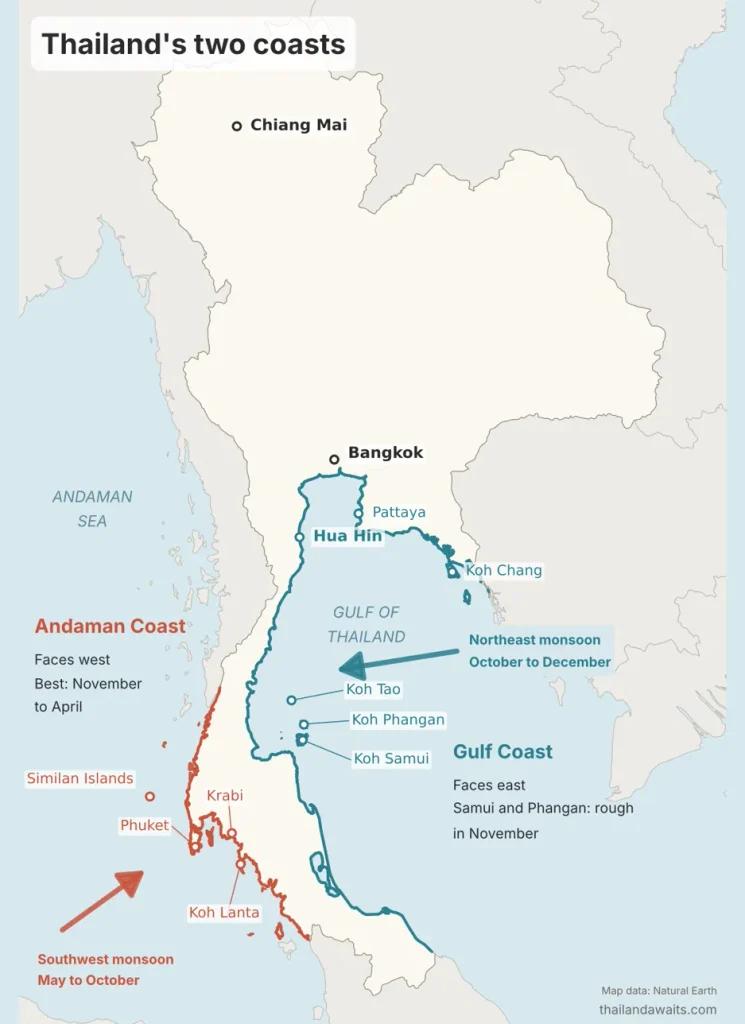
This is why “is Thailand good in October?” is the wrong question. October on Koh Lanta is rough. October in Hua Hin is the city’s wettest month but still relatively fine.
If you’ve booked the wrong coast, here’s how to get from Krabi to Koh Samui
Andaman Coast: Best November to April
The southwest monsoon arrives around May and doesn’t clear until late October. During that window, seas are rough, some boat routes are suspended, and several smaller islands become inaccessible. The Similan Islands close entirely from mid-May to mid-October. Maya Bay closes every year from 1 August to 30 September and reopens on 1 October, though park officials can shift the date for weather.

From November the Andaman Coast is at its best: calm seas, good visibility for diving and snorkelling, and reliable sunshine through to April.
Gulf Coast: More Complicated
The Gulf of Thailand is sheltered from the southwest monsoon, which is why Koh Samui and Hua Hin stay workable through the wet season months that close the Andaman. However, the Gulf has its own northeast monsoon influence from October to December, which brings rain and rough seas to the southern Gulf islands, particularly Koh Samui and Koh Phangan in November.
The risk varies by year. Some Novembers on Koh Samui are fine. Others bring flooding and cancelled ferries. It’s not a reason to avoid it, but it is a reason to book flexible accommodation and check conditions closer to travel.
Hua Hin sits further up the Gulf and has a different exposure again, which is covered in its own section below.
Where to Go and When: Region by Region
Bangkok and Central Thailand
Bangkok is viable year-round because so much of what makes it worth visiting is indoors or shaded: markets, temples, malls, river transport, food. That said, the heat in April is brutal. If you’re there during peak heat, plan outdoor sightseeing before 10am or after 4pm and use the BTS and MRT to move around rather than walking between sites.
The wet season in Bangkok means afternoon downpours, usually clearing by evening. September is the wettest month and occasional flooding affects low-lying areas. It’s worth checking conditions if you’re visiting then.
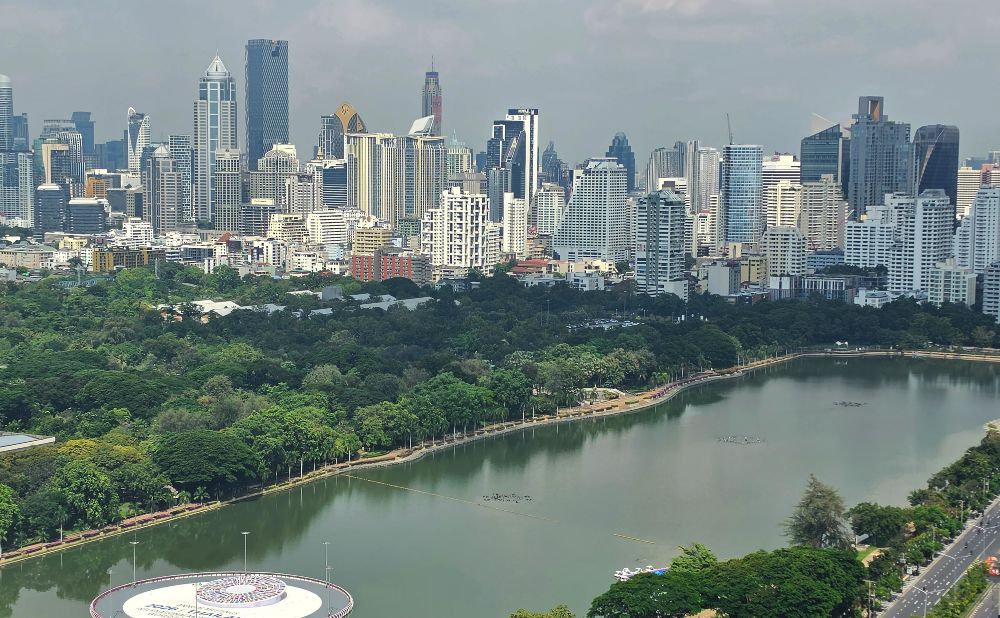
The cool season (November to February) is the most comfortable for Bangkok. December and January are the pick, low humidity, pleasant evenings, and the city is lively with festivals and outdoor events. February starts warming up but is still manageable.
Northern Thailand: Chiang Mai and Beyond
The north has the most dramatic seasonal variation in the country. In December and January, nights in Chiang Mai can drop to around 10-15°C in the hills, cold enough that locals wear puffer jackets. Days are clear and mild. This is the best time to visit.
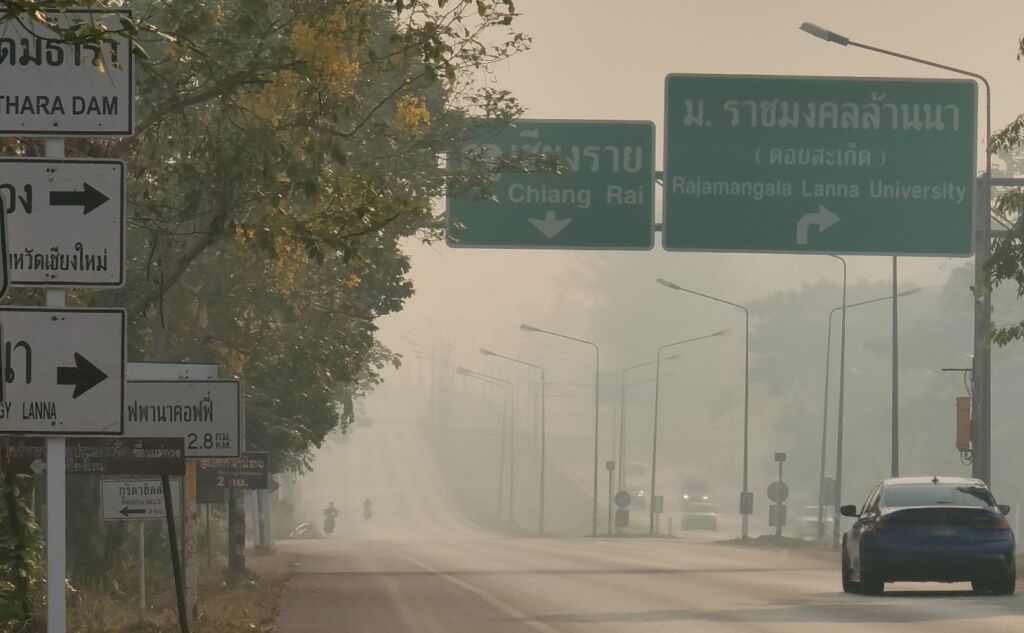
March and April bring the burning season, when farmers burn fields and forest fires occur across the region. Air quality can deteriorate significantly, sometimes reaching hazardous levels.
Check the air quality index before visiting between late February and late-April. Some years are worse than others, but it’s a real consideration, not a minor inconvenience.
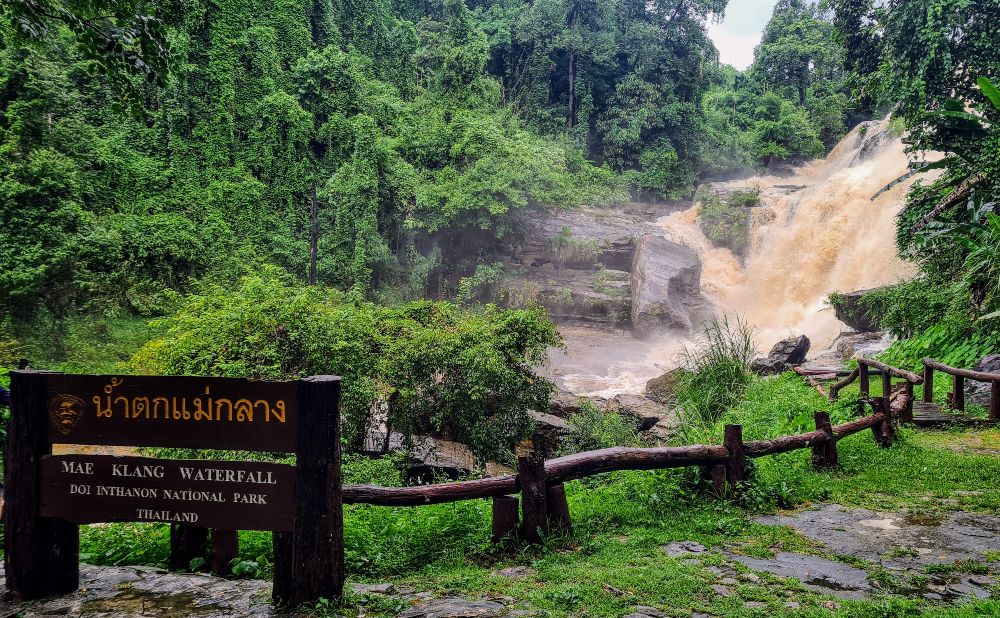
The wet season in the north runs June to October. Waterfalls are at full flow, the landscape is green, and mornings are reliably clear. Afternoon rain is predictable rather than disruptive if you plan around it.
Andaman Coast: Phuket, Krabi, Koh Lanta
Already covered in the two-coast section above, but to summarise for planning purposes:
November to April is the window. December to February is the peak, with the calmest seas and best diving visibility. March and April get hotter but the sea is still good. May is when conditions start turning and boat operators become cautious.
If you’re planning around diving or snorkelling, December to April gives you the most reliable conditions. Liveaboards to the Similan Islands only run while the park is open, from mid-October to mid-May.
Gulf Coast: Koh Samui and Koh Phangan
The Gulf islands have a longer usable season than the Andaman Coast, but November is the problem month. The northeast monsoon brings rain and swell to Koh Samui and Koh Phangan from late October through November, with November being the most unpredictable. Flooding has occurred in past years. Ferry cancellations happen.
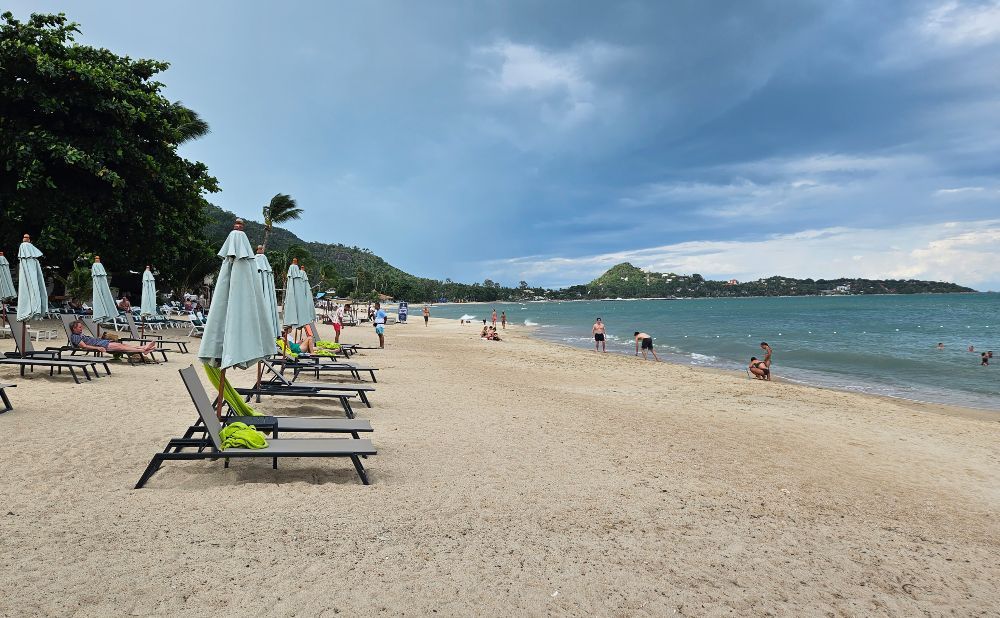
If your trip falls in November, Koh Tao, north of Koh Phangan, often gets less rain than Samui or Phangan, but expect rough boat crossings and some wet days.
December through September covers most of the year reasonably well, with March to September generally considered the Gulf islands’ best window for beaches. October is transitional, improving but not guaranteed.
Hua Hin
Hua Hin sits on the upper Gulf, far enough north that it escapes the worst of the November Gulf weather that affects Koh Samui. It doesn’t have Samui’s exposure to the northeast monsoon in the same way.
The best time to visit Hua Hin is December through May. December to February is peak season, cool evenings, calm seas, reliable weather. March to May gets warmer but Hua Hin’s sea breeze makes it more bearable than Bangkok, which is why it’s long been the preferred coastal escape for Bangkok residents.
The wet season months of June to November bring afternoon rain but rarely disrupt a full day. It’s a reasonable destination year-round with appropriate expectations.
Weighing it up against Pattaya? Here’s how the two compare
Month-by-Month Quick Reference
Officially, the hot season runs from mid-February to mid-May, the rainy season from mid-May to mid-October, and the cool season from mid-October to mid-February. The exact start dates shift each year depending on the weather.
Use this to check your destination at a glance: the region-by-region sections above have the full detail behind each rating. These charts are based on typical patterns but conditions vary year to year.
Cool season (winter): mid-October to mid-February
|
Month |
Bangkok |
North |
Andaman |
Gulf/Hua Hin |
|---|---|---|---|---|
|
November |
✓ Good |
✓ Good |
✓ Good |
⚠ Risky |
|
December |
✓ Best |
✓ Best |
✓ Best |
✓ Good |
|
January |
✓ Good* |
✓ Best |
✓ Best |
✓ Good |
|
February |
✓ Good* |
✓ Good |
✓ Best |
✓ Good |
Note* Bangkok’s air quality is often poor from January to March. Check the air quality index before you go if you have breathing issues and perhaps plan a shorter city stay.
Hot season (summer): mid-February to mid-May
|
Month |
Bangkok |
North |
Andaman |
Gulf/Hua Hin |
|---|---|---|---|---|
|
March |
✓ Good |
⚠ Air quality |
✓ Good |
✓ Good |
|
April |
⚠ Hot |
⚠ Hot/smoke |
✓ Good |
✓ Good |
|
May |
✓ OK |
✓ Improving |
⚠ Turning |
✓ Good |
Rainy season: mid-May to mid-October
|
Month |
Bangkok |
North |
Andaman |
Gulf/Hua Hin |
|---|---|---|---|---|
|
June |
✓ OK |
✓ OK |
✗ Wet |
✓ Good |
|
July |
✓ OK |
✓ OK |
✗ Wet |
✓ Good |
|
August |
✓ OK |
✓ OK |
✗ Rough |
✓ Good |
|
September |
⚠ Flooding risk |
✓ OK |
✗ Rough |
✓ OK |
|
October |
✓ Improving |
✓ Clearing |
⚠ Improving |
⚠ Turning |
Key: ✓ Good to best conditions | ⚠ Go with realistic expectations | ✗ Not recommended
What to Do If You’re Going at the Wrong Time
Not everyone can choose when they travel. If your dates are fixed and the weather isn’t ideal, here’s how to make it work.
You’re in Bangkok in April
Start outdoor sightseeing before 9am. The temples are quieter, the light is better, and the heat is manageable. From 11am to 4pm, move indoors: the major museums, the air-conditioned malls, and the covered markets are all worth your time regardless.

Songkran falls mid-April and turns the city into a water fight. Either embrace it fully or avoid street-level areas if you’re not keen.
You’re on the Andaman Coast in the wet season
Morning activities are usually fine. Rain typically arrives in the afternoon. Diving is off the table for most of the wet season due to visibility and sea conditions, but the landscape is green, crowds are thin, and prices drop significantly. Some operators run trips on calmer days. Check locally rather than booking in advance.
You’re on the Gulf Islands in November
Keep your accommodation flexible if you can. Watch the forecast in the week before you travel. Koh Tao is a reasonable alternative if Samui or Phangan looks problematic. If you’re already there and rain sets in, the inland parts of Koh Samui still work: the markets, the temples and the viewpoints.
You’re in the north during burning season
Check the air quality index for Chiang Mai before you go and each morning while you’re there. On high-pollution days, outdoor activities aren’t worth it. The museums, cooking schools, and indoor markets are good alternatives. If you have respiratory issues, consider postponing to after late April, when the first rains usually clear the air.
Frequently asked questions about Thailand’s Weather
What is the best month to visit Thailand?
December and January. Bangkok, the north and the Andaman Coast are all at their best, and the Gulf is good too. It’s also peak season, so expect higher prices and busier spots.
Which side of Thailand is better from May to October?
The Gulf side. The southwest monsoon hits the Andaman Coast (Phuket, Krabi, Koh Lanta) in those months, while Koh Samui, Koh Phangan and Hua Hin stay workable. Some Andaman boat routes stop, and the Similan Islands close from mid-May to mid-October.
Is November a good time to visit Koh Samui?
It’s a gamble. November is Koh Samui’s wettest month, and some years bring flooding and cancelled ferries. If you go, book flexible accommodation. If you want reliable beach weather in November, the Andaman Coast is the safer pick.
When is the rainy season in Thailand?
For most of the country it runs from about June to October, with rain usually in the afternoon. Koh Samui and Koh Phangan are different. Their wet weather comes later, from late October through November.
When is burning season in northern Thailand?
From late February to late April, with the worst smoke usually in March. Check the air quality index for Chiang Mai before you go. If you have breathing problems, wait until after late April, when the first rains clear the air.
Is Thailand too hot in April?
April is the hottest month. Midday heat in Bangkok and the north often reaches 35°C and can push past 38°C. The coasts are more bearable thanks to sea breezes. In the cities, sightsee early and move indoors from late morning.
Planning Your Trip
Thailand rewards flexible travellers but it’s also perfectly possible to have a good trip in any month if you go in with accurate expectations. The biggest mistake most people make is choosing a destination without checking which coast it’s on and what that means for their travel dates.
Use this guide as a starting point, then dig into the specific destination articles for more detail on what each place offers at different times of year.
For current conditions, the Thai Meteorological Department publishes daily forecasts and issues sea condition updates relevant to island travel.
If you want more tips or advice for planning your trip, you can join our Facebook group: Thailand Awaits Trip Planning for Beginners. It’s a place to ask questions, get help from other travellers and locals, and find free resources for your Thailand holiday.