Thailand in March: What to Expect Before You Go
March is when Thailand shifts from the cool season into the hot season. Temperatures are climbing, the skies are mostly clear and the beaches on both coasts are in good shape. For most of the country, it is one of the more comfortable months to visit before the real heat of April and May arrives.
The main exception is the north. Chiang Mai and the surrounding provinces are into the burning season by March, with farmers clearing land by fire and air quality falling to levels that make outdoor activity genuinely unpleasant. We do not recommend the north in March, particularly if you have any respiratory issues.
Elsewhere, March is a solid month. You get the tail end of the cool season’s lower humidity, dry roads, and attractions that are quieter than the January to February peak. Prices are starting to soften in most places, and the country is not yet in the heat-and-humidity grind of late April.
This page contains affiliate links. Please see our disclosure policy for more details.
Weather in Thailand in March
March sits at the cusp of two seasons. The cool season is winding up and the hot season is starting to take hold, which means warm days, mostly clear skies and low rainfall across most of the country.
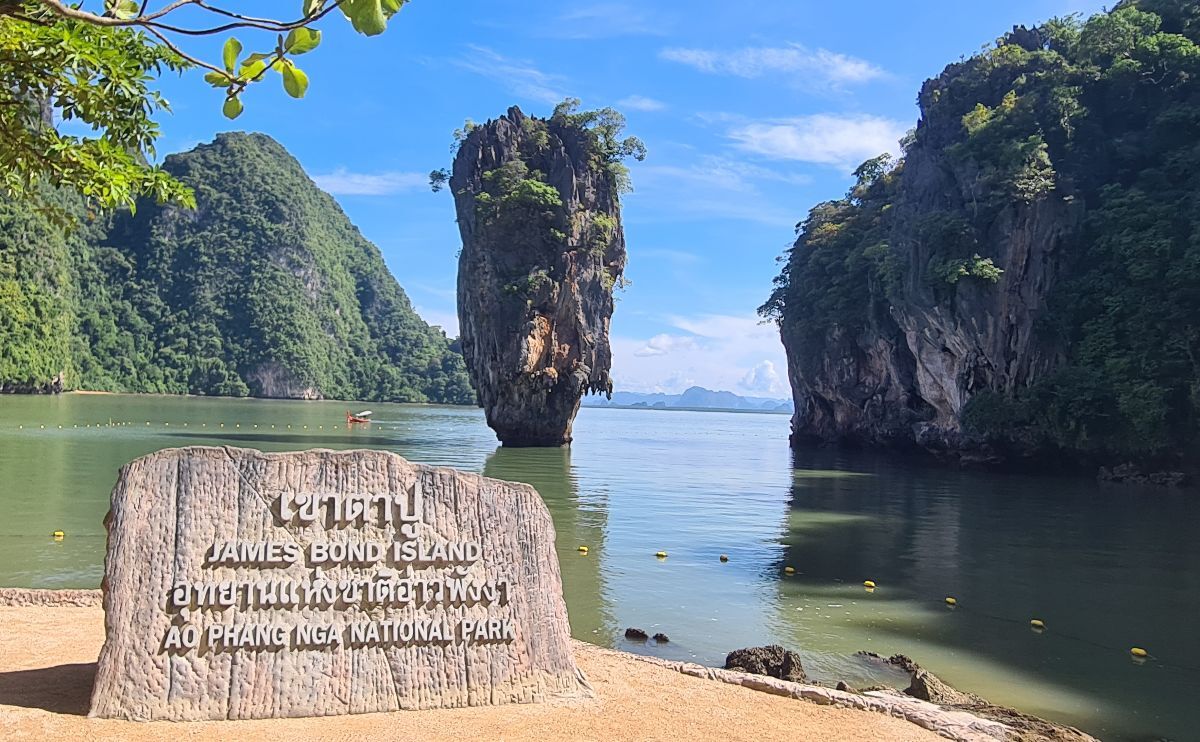
The south stays reliable. Both the Andaman coast and the Gulf coast are in good shape in March, with Phuket and Krabi offering excellent beach conditions before the southwest monsoon arrives in May. The Gulf side, including Koh Samui and Koh Chang, is even drier and sees very few rainy days this month.
Bangkok and central Thailand are warm and humid but manageable. Expect daytime temperatures in the low to mid-thirties and humidity sitting around 70 to 80 percent. Mornings are the best time for outdoor sightseeing. By early afternoon you will want air conditioning.
What we call two t-shirts a day weather starts in March. Pack accordingly.
Temperatures & and rainfall in Thailand in March
| Location | Avg. High (°C) | Avg. Low (°C) | Days of Rainfall |
|---|---|---|---|
| Bangkok | 34 | 24 | 4 |
| Phuket | 33 | 25 | 10 |
| Koh Samui | 29 | 24 | 5 |
| Ayutthaya | 35 | 23 | 3 |
| Koh Chang | 31 | 23 | 4 |
| Hua Hin | 32 | 22 | 4 |
Check the Thai Department of Meteorology for current forecasts before you travel.
What you need to know about Thailand in March
For most of the country, yes. March is a genuinely good month, particularly if you missed the peak season crowd levels of December through February and are looking for better value without sacrificing weather. The north is the clear exception.
Reasons to visit Thailand in March
- The dry season means low rainfall and reliable beach conditions on both coasts
- Crowds and prices are lower than the November to February peak at most destinations
- The Similan Islands are still open and at their best for diving before closing in mid-May
- Tropical fruit season is underway, with mangoes, durian, rambutan and watermelon all available
- Ayutthaya and other historical sites are comfortable to walk in the mornings before the heat peaks
- The Pattaya Music Festival runs throughout March and is free to attend
Reasons to think twice
- Northern Thailand is in burning season from late January through to mid-April. Air quality in Chiang Mai and Chiang Rai is poor to unhealthy in March and we would not recommend travel there
- It is hot. If heat and humidity are not your thing, March will challenge you by mid-afternoon
- Jellyfish can be an issue on the east coast beaches in March. Check conditions with locals before swimming
- Popular spots like Phuket and Phi Phi can still carry high season prices even though the calendar says shoulder season
Where to Go in Thailand in March
Bangkok
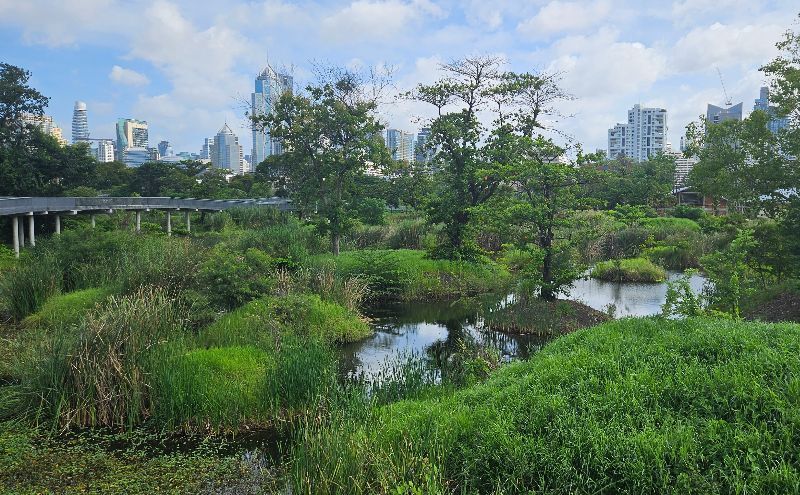
Bangkok works well in March. The weather is hot but the city does not slow down for it, and most of what you want to do can be timed around the heat. Get to temples and outdoor markets in the morning. By midday, Bangkok’s parks, museums and galleries make genuinely good options, not just fallbacks. The Chatuchak Weekend Market is worth the trip and the canals are good in the morning before it gets too warm.
If you want something more local, consider going a few BTS stops off the main tourist trail. We stayed at Ari on one visit and found it a much more comfortable neighbourhood base than the busier Sukhumvit strips.
Fruit season is in full swing in March, which means you will find mangoes, durian and rambutan at peak quality on almost every street corner. Do not miss this.
Phuket and the Andaman Coast
March is one of the last good months on the Andaman side before the southwest monsoon arrives. Phuket, Krabi and the surrounding islands are dry, the sea is calm and diving and snorkelling conditions are excellent. If the Andaman coast is on your list, March and April are the months to do it before the weather changes in May.
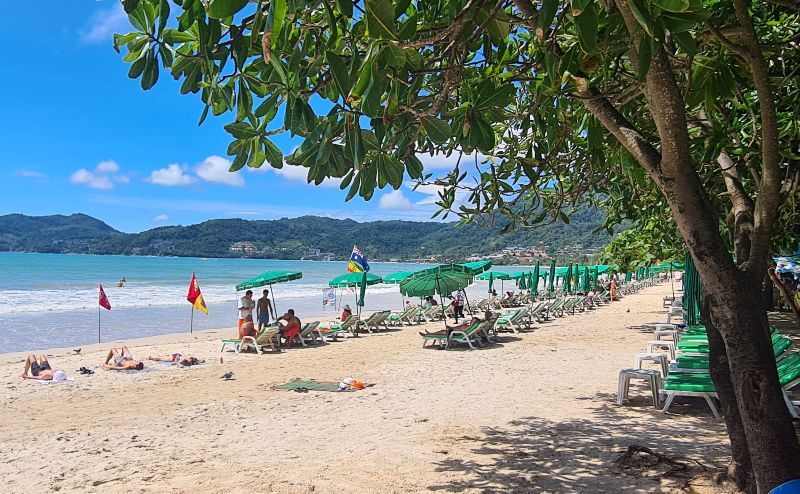
If you want a quieter beach experience than Patong, head to one of Phuket’s other beaches. Hat Nai Harn, Kamala and Kata are all less crowded and a better experience.
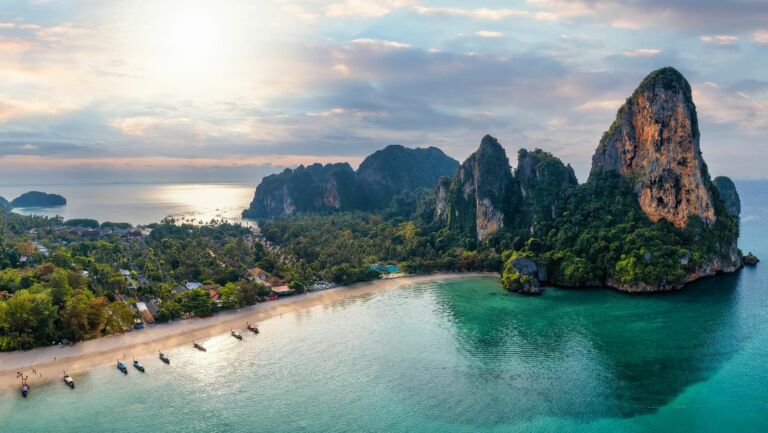
Krabi’s limestone coastline and Railay Beach, accessible only by boat, are worth planning around in March. The calm seas make boat transfers easy and the water visibility for diving is good.
Similan Islands
The Similan Islands are one of the better dive destinations in Southeast Asia and March is a strong month to go. The islands are still open, crowd levels are lower than January and February, and the underwater visibility is excellent.
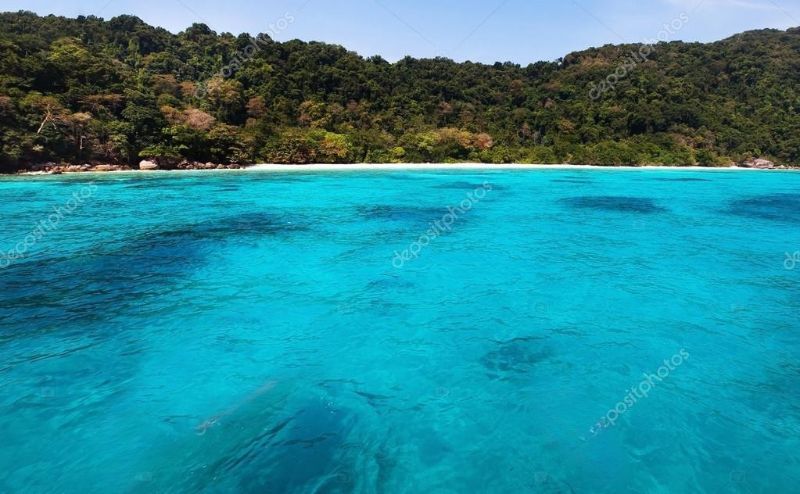
The islands close to visitors in mid-May, so March and April are your last chances. See our Phuket diving guide for more detail on what to expect.
Koh Samui and the Gulf Islands
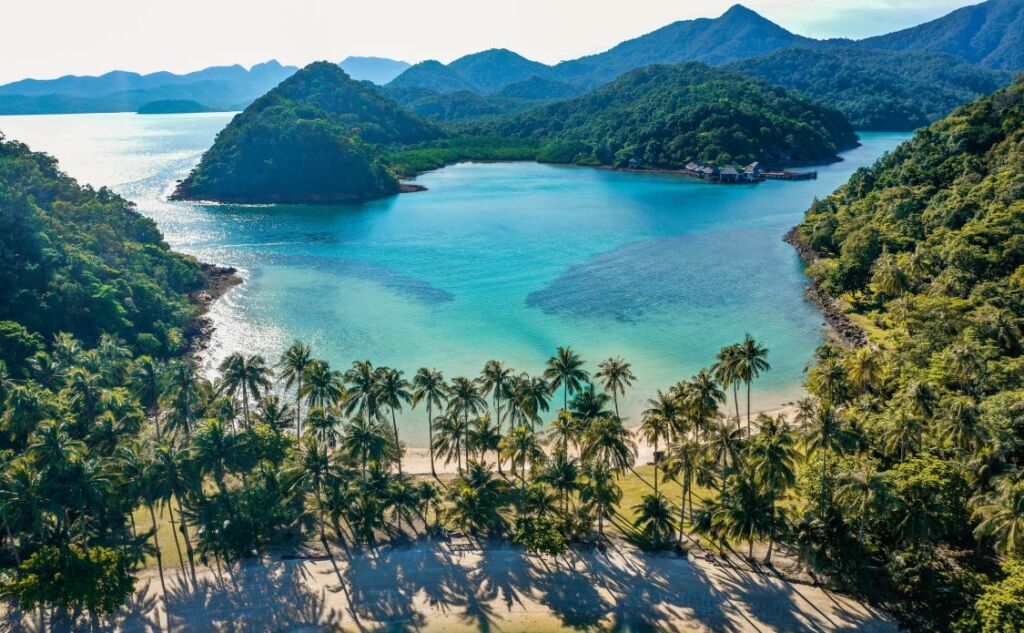
Koh Samui has some of the lowest rainfall figures in Thailand in March, making it a reliable beach choice this month. Koh Chang on the east coast is also a good option, with warm temperatures and very few rainy days. Both are quieter than their Andaman equivalents at this time of year.
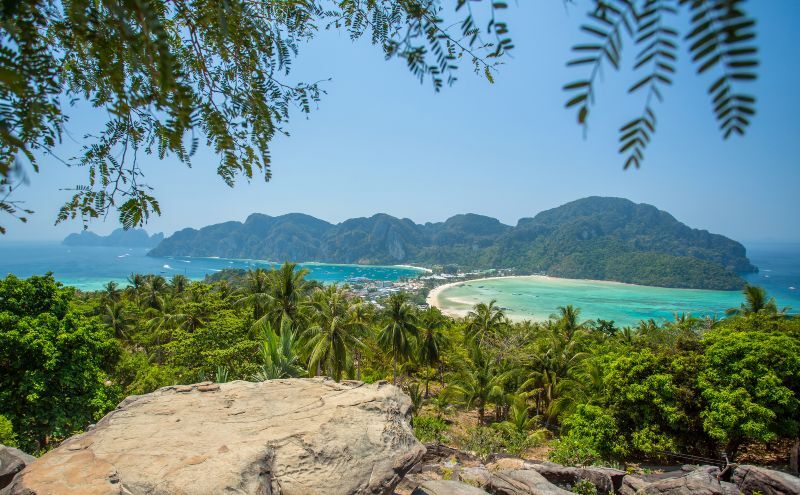
One thing to be aware of on the east coast: March is the start of the jellyfish season. It does not mean the water is off limits, but check with locals or your accommodation before swimming.
Ayutthaya
March is a comfortable month to explore Ayutthaya. Mornings are ideal for walking the temple grounds before the heat builds, and crowd levels are much lower than the peak months. Plan to cover the main sites over two days rather than one, partly for comfort and partly because the site deserves more time than most visitors give it. See our guide to getting to Ayutthaya from Bangkok for transport options.
Kanchanaburi
March is a good time to visit Kanchanaburi. The weather is dry, roads are accessible and the waterfalls at Erawan National Park are running well without the muddy water that later months can bring.
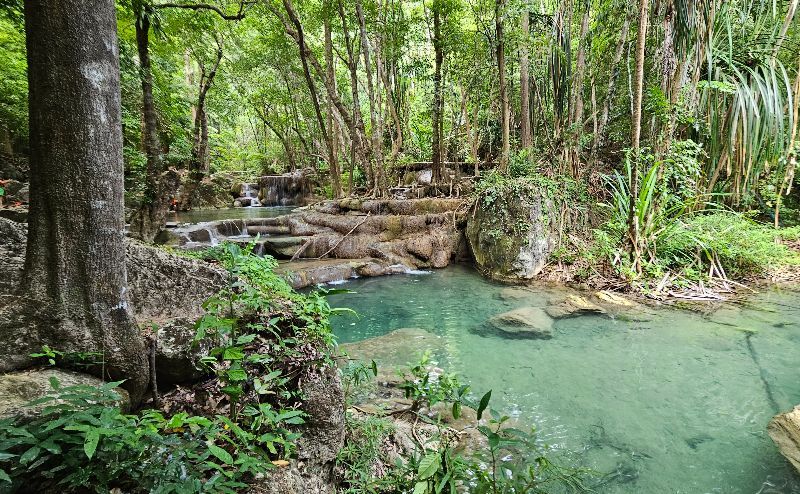
The historical sites, including the Death Railway and the Bridge over the River Kwai, are best explored in the early morning before the heat peaks.
Northern Thailand
We do not recommend visiting Chiang Mai, Chiang Rai or anywhere in the north in March. The burning season runs from late January through to around mid-April and air quality falls to levels that make outdoor sightseeing unpleasant and potentially harmful, particularly for anyone with asthma or a heart condition. Save the north for November or December.
Festivals and Events in Thailand in March
March has a good spread of events, ranging from a major free music festival to cultural and sporting ceremonies.
Pattaya Music Festival – throughout March
This free event runs every weekend throughout March, rotating across different beach locations in Pattaya including Pattaya Beach, Jomtien Beach and Koh Larn. The lineup is mostly Thai pop, rock and hip-hop. It draws a big local crowd and is worth timing your Pattaya visit around if you are in the area. Check the official Facebook page for the current year’s schedule as locations and dates shift slightly each year.
National Elephant Day – 13 March
Thailand’s national animal gets its own day on 13 March each year. Events are held at various elephant sanctuaries and conservation centres across the country. If this matters to you, it is worth checking what is happening near wherever you are based.
National Muay Thai Day – 17 March
Wai Khru Muay Thai ceremonies take place at stadiums and training camps across the country on 17 March. These are respectful, ritual occasions that give you a different view of the sport compared to a regular fight night. Rajadamnern and Lumpinee stadiums in Bangkok often have associated events.

Cha-Am International Kite Festival – around 10 March
Hua Hin hosts an international kite festival in early March on the beach in front of the main promenade. It is a colourful and family-friendly event that makes for a good reason to be in Hua Hin at that time. Dates shift slightly year to year so confirm locally before building your trip around it.
Makha Bucha – date varies
Makha Bucha is one of Thailand’s most important Buddhist public holidays, falling on the full moon of the third lunar month. Depending on the calendar, this lands in either February or March. Expect temples to be busy, alcohol sales to be restricted for the day, and a candlelit circumambulation ceremony at temples in the evening that is well worth seeing if you are nearby.
Ready to go?
March is one of the more straightforward months to plan a Thailand trip. The weather is reliable across most of the country, prices are reasonable and the crowds have thinned from the peak season high. Stay south or central, time your days sensibly around the heat, and you will have a good trip.
If you want more tips or advice for planning your trip, you can join our Facebook group: Thailand Awaits Trip Planning for Beginners. It’s a place to ask questions, get help from other travellers and locals, and find free resources for your Thailand holiday.
Would you like to see more of our content?

Click the button above and then tick the box next to our name