Things to Do in Kanchanaburi: Why One Day Isn’t Enough
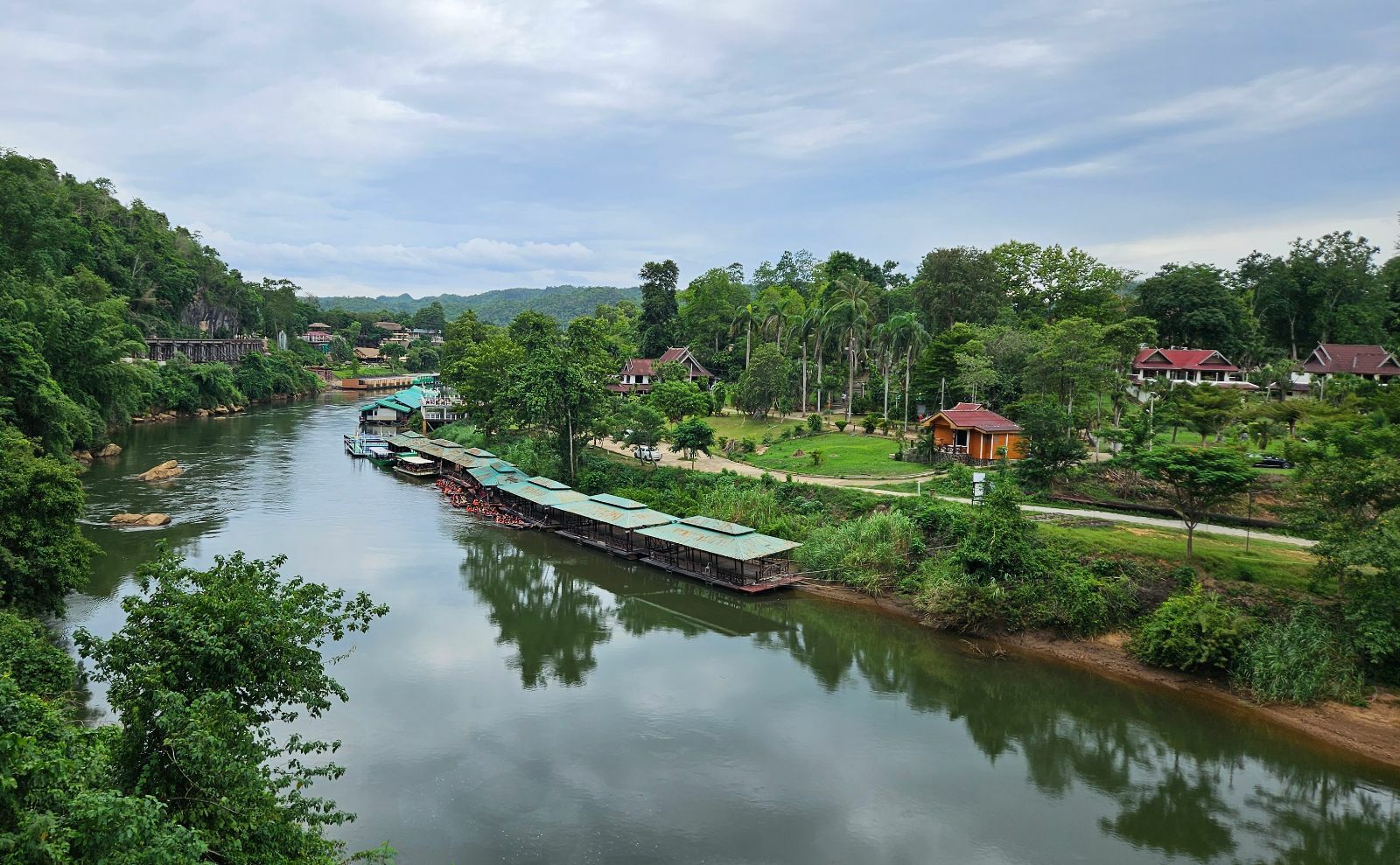
There are more things to do in Kanchanaburi than most travellers realise. While Bangkok locals regularly escape here for weekend breaks in this riverside city just 2 hours from the capital, most international visitors only book rushed day trips. That’s a mistake. After spending six nights here across two visits, I’m convinced you need at least two days to properly experience what makes this place special.
Kanchanaburi is so much more than just its famous war sites. I’ve visited twice in the last year, staying three nights each time, and I still haven’t seen everything.
This page contains affiliate links. Please see our disclosure policy for more details.
In this guide, I’ll share why Kanchanaburi province, just 120 km from Bangkok, deserves more than a whirlwind visit. You’ll find World War II history at Hellfire Pass and the River Kwai Bridge, stunning waterfalls in Erawan National Park, impressive temples and lively night markets.
Below I’ll guide you through historical sites, natural attractions, impressive temples and vibrant night markets. You’ll discover why locals rate this as one of the most popular spots for a short break. When you’re done, I’m confident you’ll want to read our guide on where to stay.
War Sites in Kanchanaburi
Kanchanaburi’s war sites offer a sobering glimpse into World War II history. While there’s much more to this province, visiting at least one of these sites is essential to understand the area’s significance.
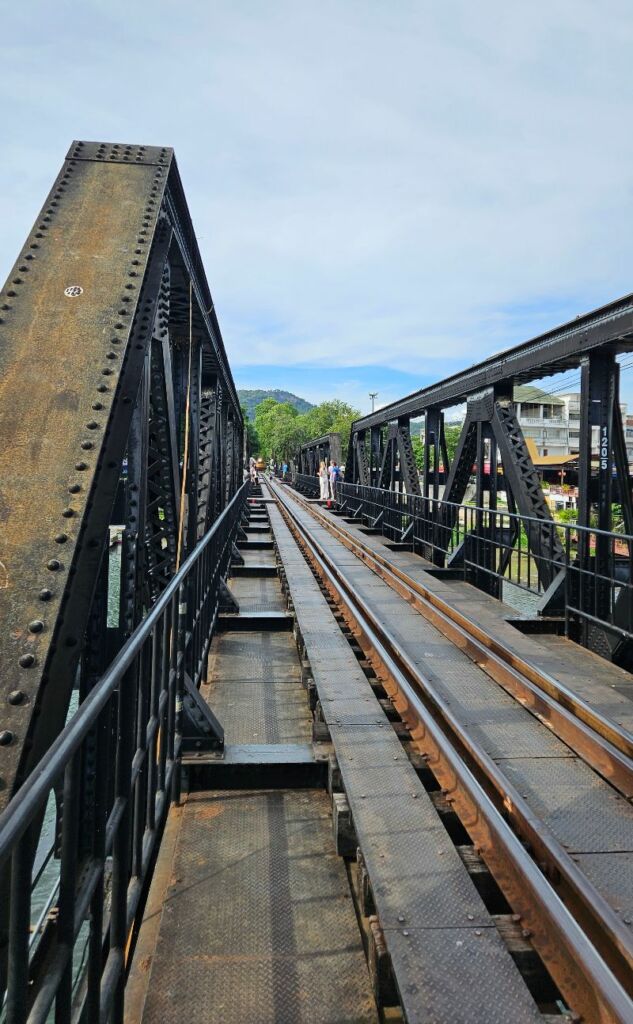
This bridge was part of the Death Railway, built during World War II by prisoners of war and forced labourers from Japan and Myanmar. Today, you can walk across it and learn more about its history at the nearby JEATH War Museum.
An estimated 240,000 war prisoners and labourers constructed the 415-km railway line, which was an attempt by the Imperial Japanese Army to create a direct supply route from Bangkok to Burma (now Myanmar). The poor working conditions and scarce resources led to thousands of deaths.
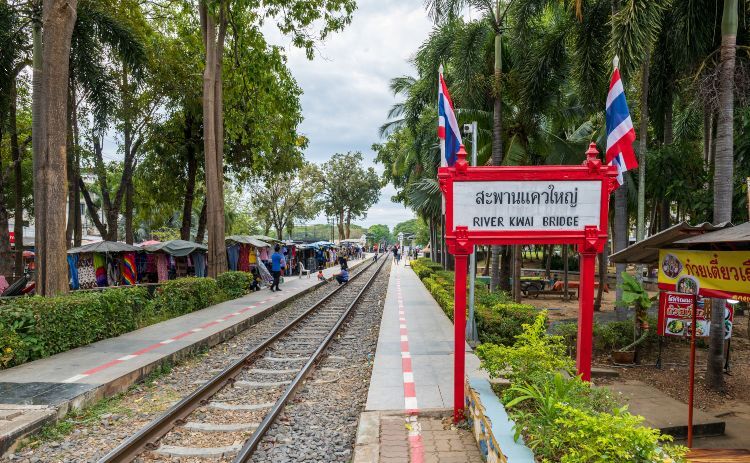
The bridge itself was made famous by a book and film. It stands as a symbol of the prisoners who built it under brutal conditions.
Tip: Time your visit with the train arrivals – currently around 10:30am and 2:30pm. Get there early to nab a place at one of the special spots on the bridge as the train passes right in front of you.
The Intriguing History of Hellfire Pass
Hellfire Pass is another significant section of the Death Railway. This cutting was carved through solid rock by prisoners of war and forced labourers.
Today, it’s a memorial site with an excellent museum built by the Australian Government. The museum tells the story of what happened here and commemorates the lives lost during the railway’s construction.
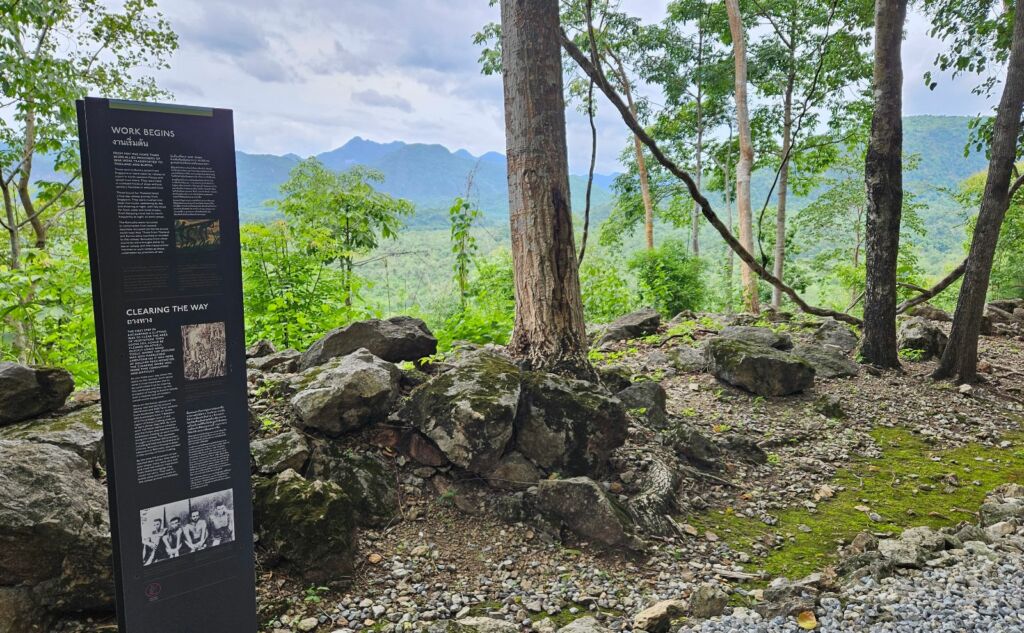
You can take a guided tour of Hellfire Pass, walk along the original tracks and listen to accounts from survivors through an audio guide. To get there, stay on the train to Nam Tok Station.
Walking along a section of the track, I became really emotional. The scorching heat made me think about the workers toiling here day after day, with no relief from the relentless weather and often on an empty stomach.
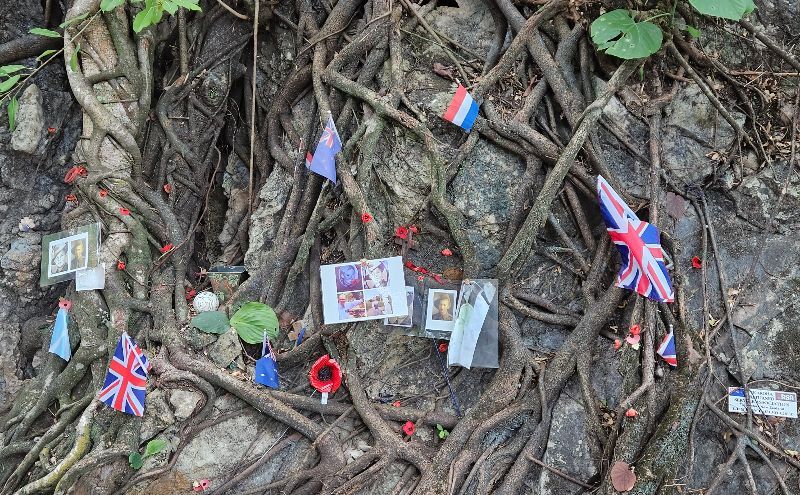
As we continued, we came across memorabilia left by the families of those who perished here. Allow some extra time for quiet contemplation. It’s a special place.
Tip: You can hike the 5.5km Hellfire Pass in about an hour and a half.
Hellfire Pass Centre is open from 9am to 4pm daily. You can only access the track during opening hours.
Check out our detailed guide to the War Memorials and Museums in Kanchanaburi, especially if you’re planning to visit for Anzac Day.
After you’ve paid your respects at one or more of the memorials, it’s time to check out some of Kanchanaburi’s other sites.
Beautiful temples in Kanchanaburi
Kanchanaburi isn’t just historically significant – it’s also home to many impressive temples.
Here are a few you shouldn’t miss, but if you’re eager to explore more, check out our comprehensive guide to temples in Kanchanaburi.
Wat Tham Suea – Tiger Cave Temple
One of the most impressive temples in Kanchanaburi is Wat Tham Suea, known as the “Tiger Cave Temple.” Perched atop a hill, it combines nature, history and art.
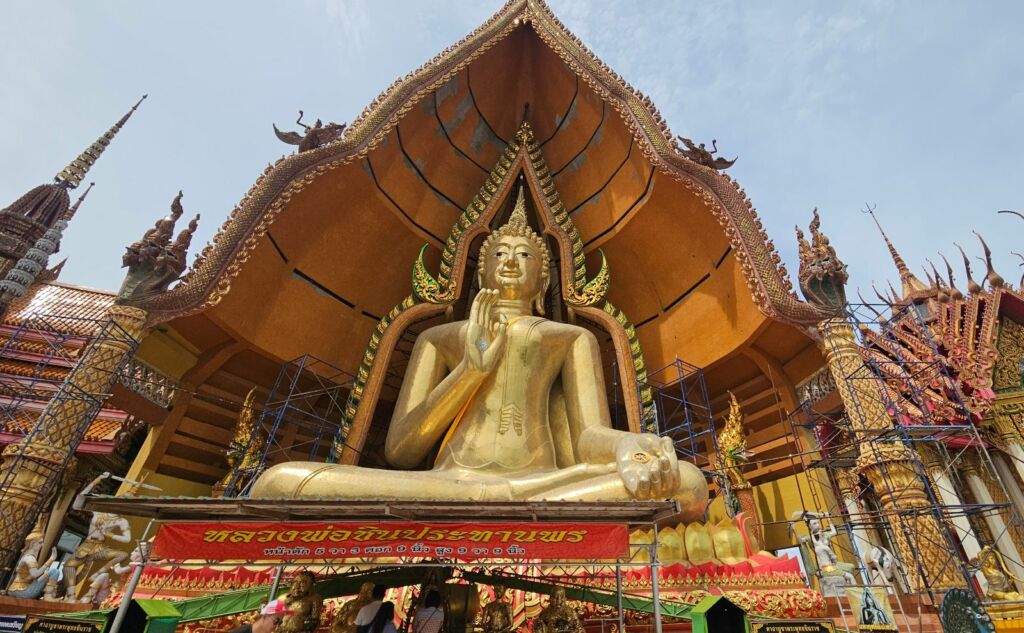
Before you arrive you’ll likely spot the large cave with its 18-metre high gold Buddha. It’s visible from quite some distance, as though it’s looking out over the rice fields protecting them.
The climb up from the parking area with nearly 157 steps might seem daunting, but the reward is worth the effort. Once you reach the top, the cool breeze hits and you feel immediate relief.
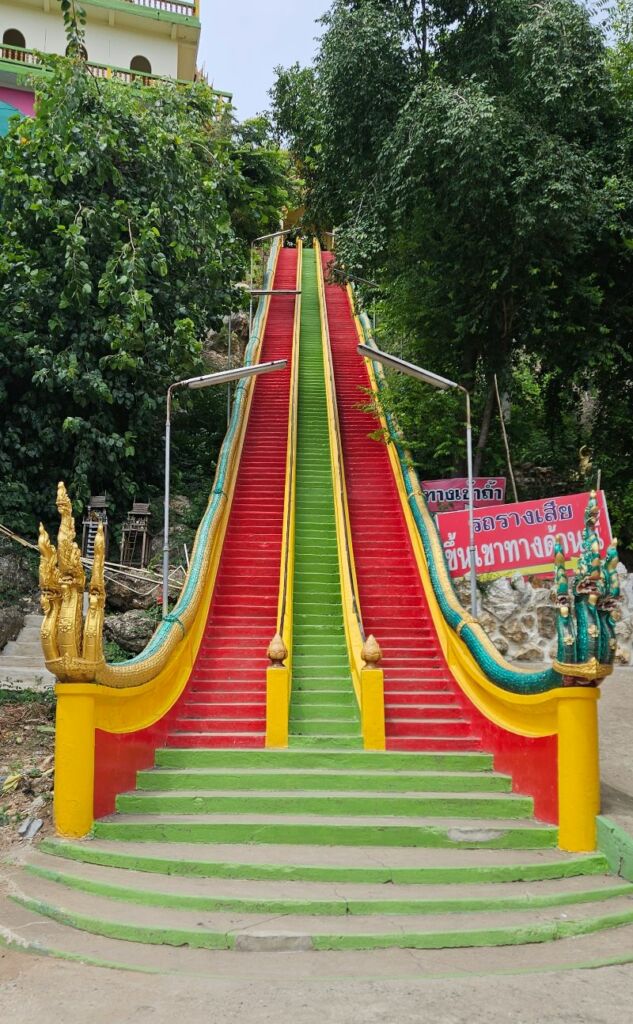
Don’t miss: As you wander the site, make sure you visit the pagoda. The first time we came here we were so impressed by the large Buddha we didn’t notice it! The indoor area at the base of the pagoda is refreshingly cool and its windows are a great spot to photograph the cave temple from a different angle.
If you have the energy, you can climb the seven flights of circular stairs. I didn’t thanks to an injured knee, but my partner who is pretty fit returned puffing, saying it was quite a workout in the heat.
If you have mobility problems, the sloping tram (cable car) from the main parking area is generally operational as of 2026. For a small fee (approx. 20–40 baht), it will deliver you to the top, saving you the 157-step climb.
Tip: There are two parking areas and two stairways leading to the site. The upper one has quite a few fewer stairs, making it a bit easier on the legs.
After your visit, pop into Meena Cafe. It remains the hot Instagram spot, with its famous boardwalk through the rice paddies offering a stunning “long-shot” view of the temple on the hill. Because of its popularity, try to visit on a weekday to avoid the weekend rush of Bangkok locals.
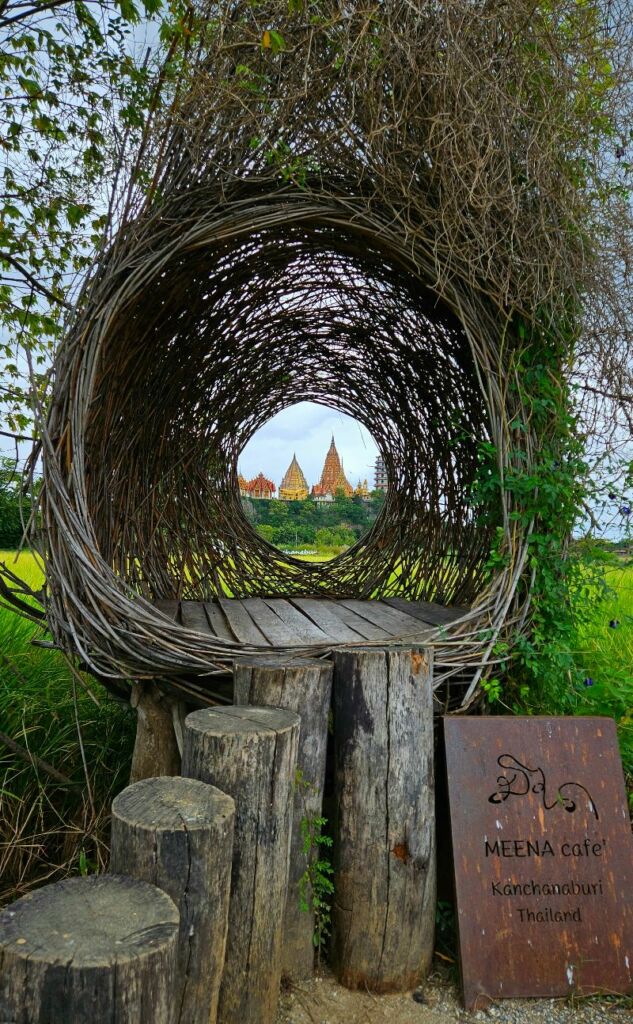
If you only have time for one temple in Kanchanaburi, I would choose this one.
Wat Tham Phu Wa
Wat Tham Phu Wa is a bit of a surprise. As you enter the site, you’re greeted by a reclining Buddha like those you may have seen in Wat Pho or Ayutthaya.
Upon entering the main area, an impressive large outdoor Buddha statue comes into view. Looking almost as if it was carved from milk chocolate, its serene expression and the peaceful environment make this a good spot for meditation.
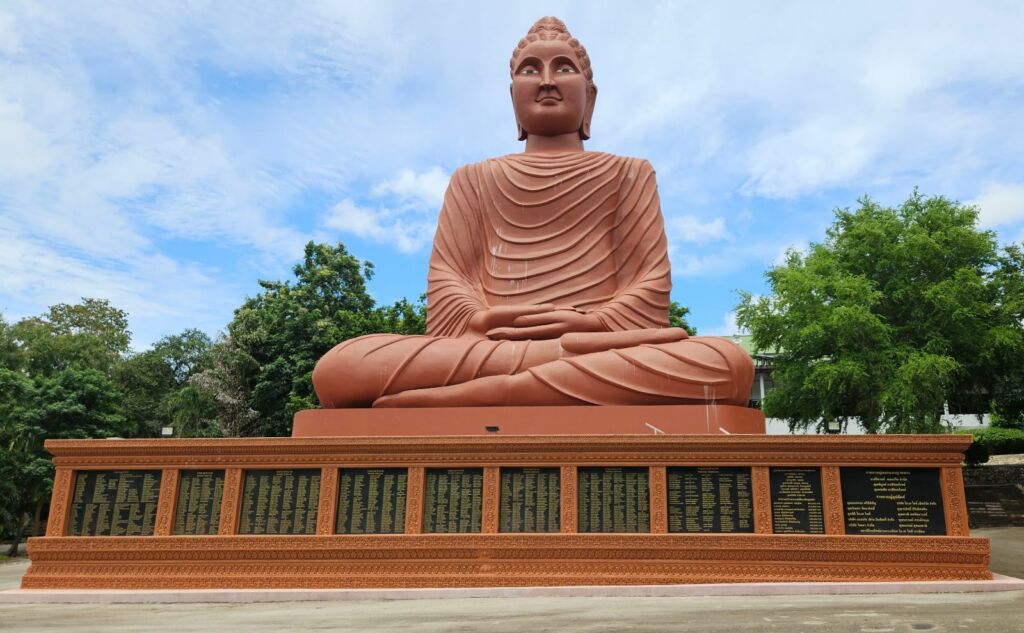
However, the standout is a beautifully carved Khmer-style temple reminiscent of those in Cambodia, which hides an elaborate network of caves beneath its surface.
As you descend the stairs, you’ll find a number of chambers decorated with Buddhas and other icons. The cool interior, complete with stalagmites and stalactites, is a welcome escape from the heat and a chance for quiet reflection.
Before wandering deeper into the cave, we had a blessing in the main chamber. If you’ve never had a blessing done, this is a great experience. You’ll see a table with hampers at various prices.
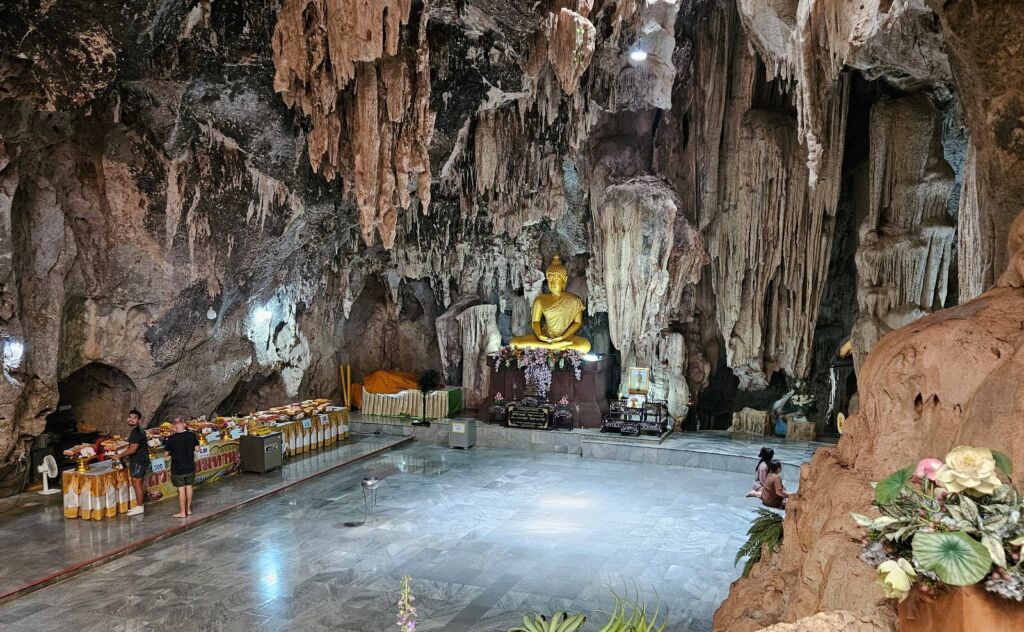
Purchase one and take it over to the monk. Then sit with your feet facing away from the monk and wait for your blessing. There’s usually someone around to help you know what to do. If not, just wait for some locals and join them.
The next and final temple on this list is quite different from any temple I’ve seen in Thailand.
Wat Metta Tham Photiyan
This relatively new Chinese temple, just a few minutes’ drive from Wat Tham Phu Wa, has quickly gained fame for its remarkable teak wood carvings.
An impressive 12-metre-high statue of Guan Yin Bodhisattva, the goddess of mercy, carved with extraordinary detail, stands at the heart of the temple. The Guan Yin has a thousand eyes and a thousand hands, symbolising her ability to see and help those in need from every direction.
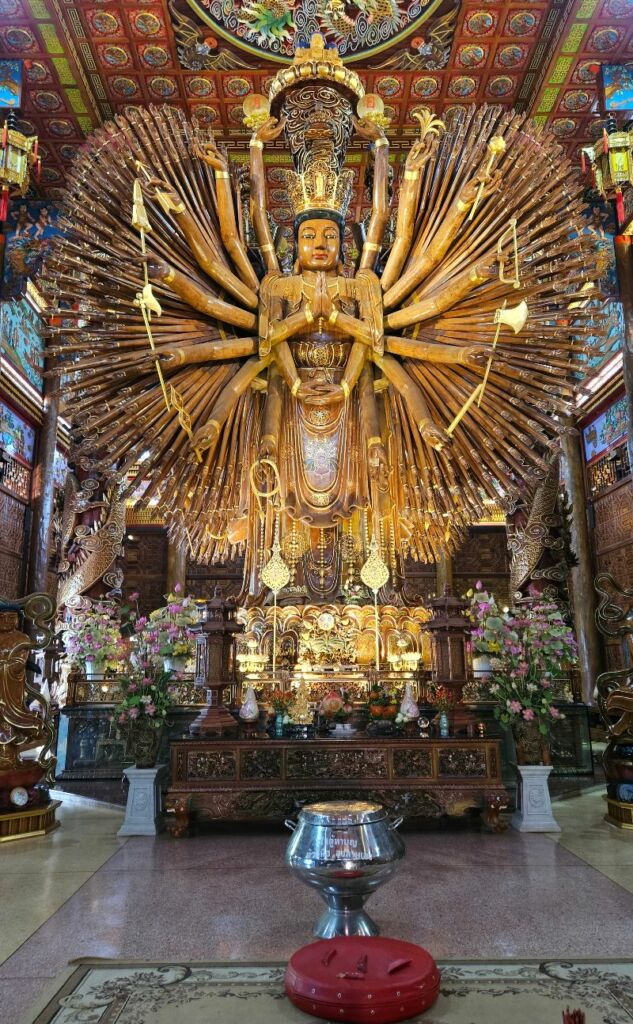
Don’t miss: Don’t miss: Don’t rush your visit. In the surrounding room are 84 different representations of Guan Yin, all meticulously sculpted from wood.
In addition to these carvings, the temple also houses 60 zodiac gods, offering you a chance to explore methods of fortune-telling based on your astrological sign.
Natural Attractions in Kanchanaburi
Kanchanaburi isn’t just about its war history; it’s also a natural wonderland. From the peaceful flow of the River Kwai to the seven tiers of Erawan Falls, and the expanses of its national parks, there’s beautiful scenery around every corner.
Whether you’re into hiking, swimming, or just enjoying the scenery, Kanchanaburi has plenty to offer. These are the spots that made me fall in love with this place.
River Kwai
The River Kwai, also known as the Mae Klong River, is one of Kanchanaburi’s main attractions. As you explore the province you’ll likely have several chances to take in its scenery.
One advantage of a longer stay is the opportunity to appreciate this waterway. Having stayed in two riverfront hotels, I found the mornings here remarkably peaceful—a great spot to start the day with some meditation.
Even on a short visit, don’t miss the chance to dine at one of the floating restaurants, where you can enjoy local cuisine right on the water.
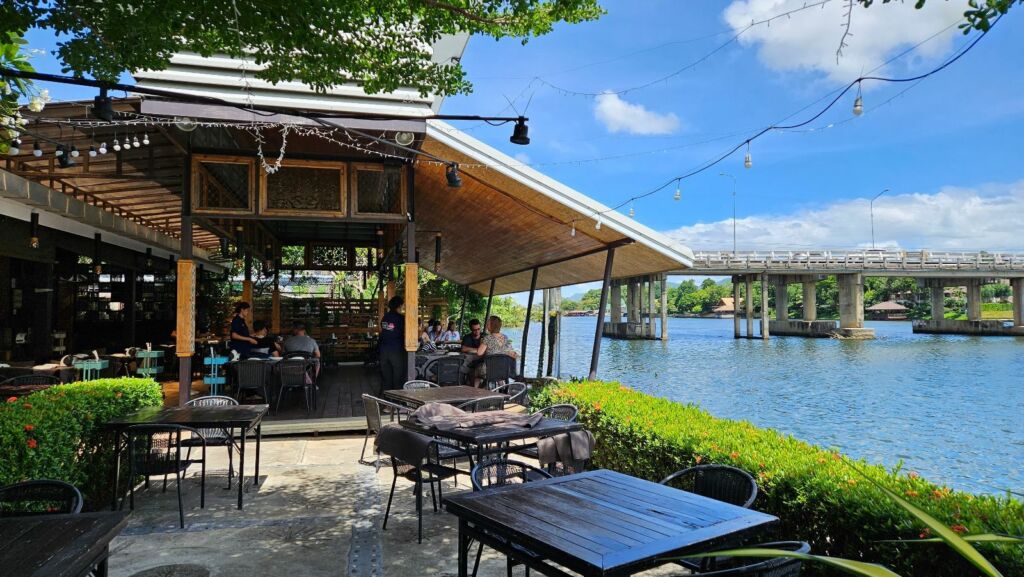
The Kanchanaburi Skywalk
f you’re looking for a bit more adventure, the River Kwai offers everything from longtail boat rides to kayaking. However, the newest “must-see” is the Kanchanaburi Skywalk. This 150-meter-long glass walkway sits 12 meters above the point where the Khwae Yai, Khwae Noi, and Mae Klong rivers meet.
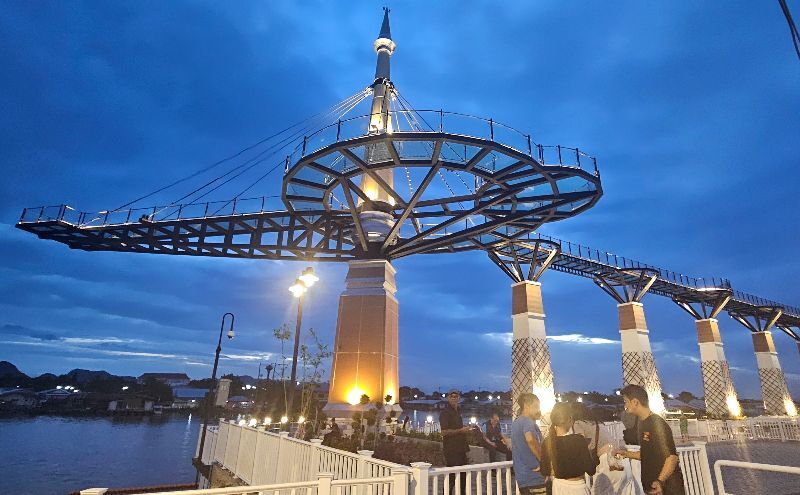
It’s an easy stroll that offers the best panoramic views in the city.
Note: You’ll need to pay a small fee (around 60 baht) for special shoe covers to protect the glass. It’s particularly magical at sunset, but be prepared for crowds as it’s now a top spot for local photography.
If you’re looking for a bit more adventure, the River Kwai offers lots of water activities including longtail boat rides, banana boat riding and kayaking.
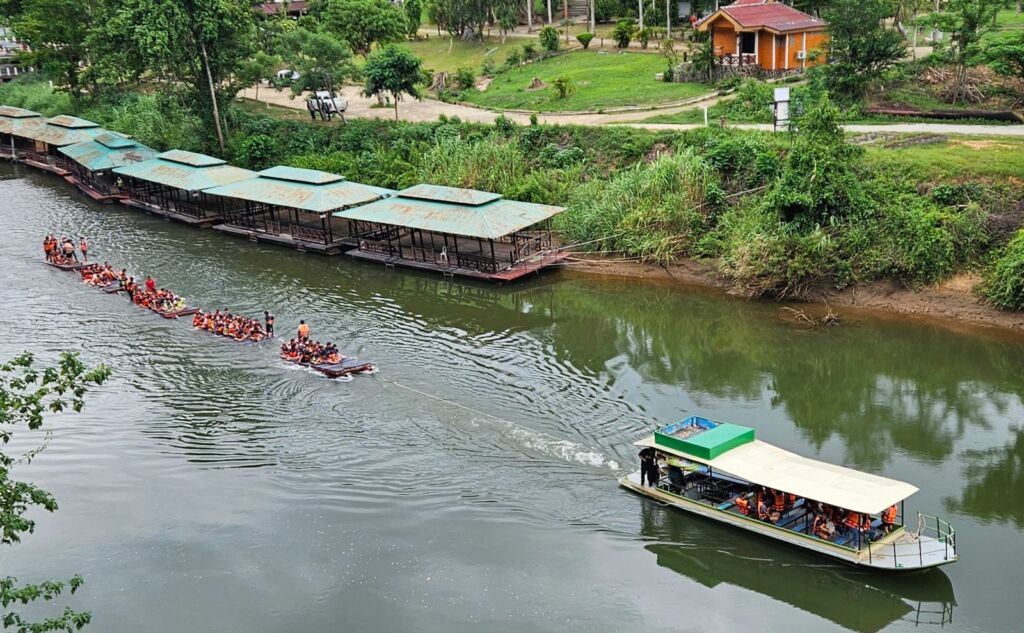
Our stay at Xcape River Kwai Hotel came with its own kayak. Paddling the river at dawn was wonderful. The serene stretches of water and early morning light were an intoxicating combination.
If you prefer someone else does the work, then arrange a longtail boat ride and let a guide share insights about the area you can only get from a local.
Discover the Beauty of Erawan National Park
One of Kanchanaburi’s must-see attractions is the seven-tiered Erawan Falls, part of Erawan National Park about an hour outside the city.

Named after the three-headed elephant from Hindu mythology, this waterfall is known for its turquoise blue pools and incredible birdlife.
It’s a popular spot for locals and as many are not strong swimmers, the park rangers now strictly require anyone entering the water to wear a lifejacket at all times. You might feel a bit silly in the photos, but please follow the rules if you decide to swim, as the staff at each tier are very diligent about enforcement. You can usually rent these near the lower levels for a small hourly fee.
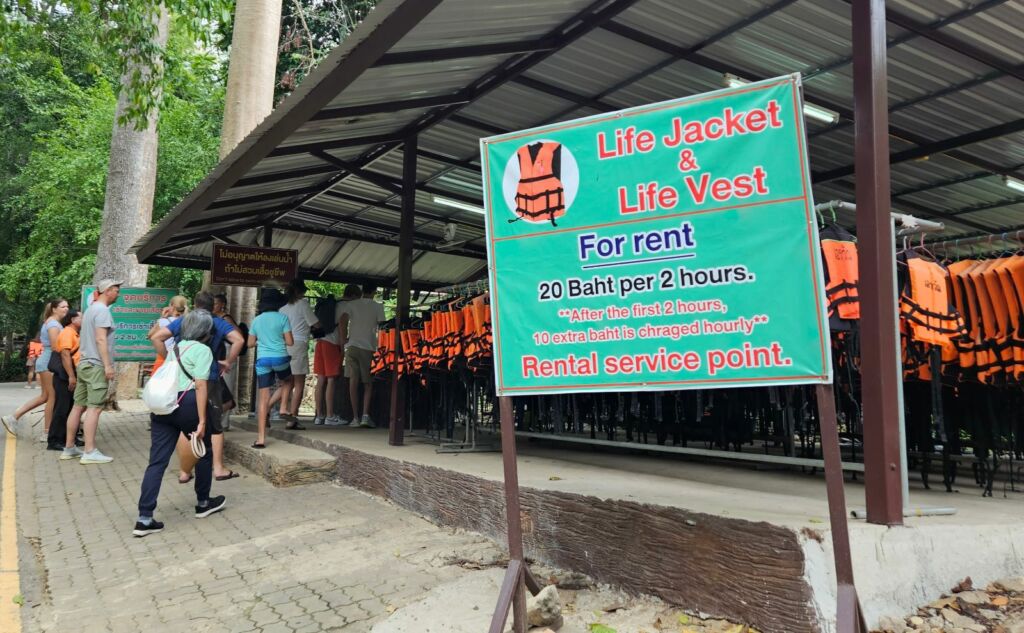
Arrive early and expect to spend at least two hours here if you want to hike to the top level waterfall. You could easily spend half a day if you decide to swim in some of the pools along the way.
Tip: The paths beyond level 5 remain somewhat undeveloped with uneven surfaces and steps that vary in depth. I twisted my knee by not paying enough attention to my footing, so please do take it slowly and enjoy the scenery.
To keep the park pristine, you’ll also notice a plastic bottle “check-in” system at the start of the trail. You’ll pay a small deposit for any plastic bottles you carry up, which you get back when you show the bottle on your way back down—it’s a great initiative that has kept the upper tiers much cleaner in 2026.
Elephant Haven: An Ethical Encounter
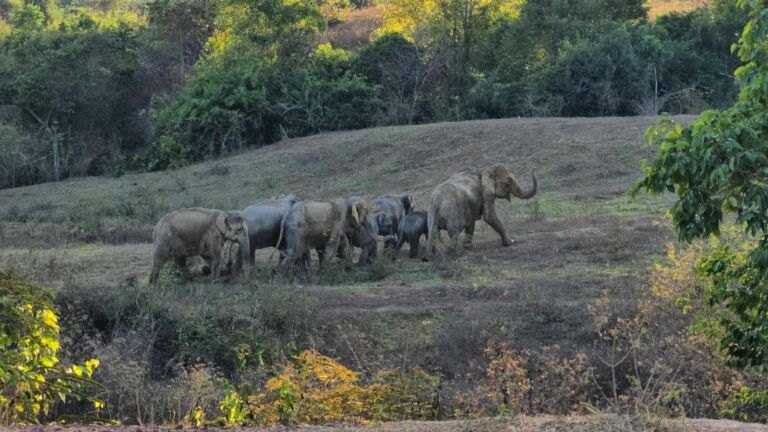
Elephant Haven in Kanchanaburi is an ethical option for those wanting to get up close with elephants. This sanctuary, one of the closest to Bangkok, promotes responsible tourism and offers visitors the chance to interact with elephants in a humane way.
You’ll get to feed and walk with these magnificent creatures, observing them in a peaceful environment. It’s not only a fun experience but also a meaningful one, highlighting the importance of treating animals with respect.
Kanchanaburi at night
The fun in Kanchanaburi doesn’t end when the sun sets. In fact, the evenings here offer a whole new range of experiences that highlight the local culture. From bustling night markets filled with delicious street food to riverside bars with live music, Kanchanaburi comes alive at night.
Here are some great ways to spend your nights in this fascinating province, whether you’re looking to shop, eat, or simply soak in the atmosphere.
Exploring the Vibrant Kanchanaburi Night Market
There are three main night markets in Kanchanaburi: Kanchanaburi Night Market, JJ Night Market, and River Kwai Bridge Market.
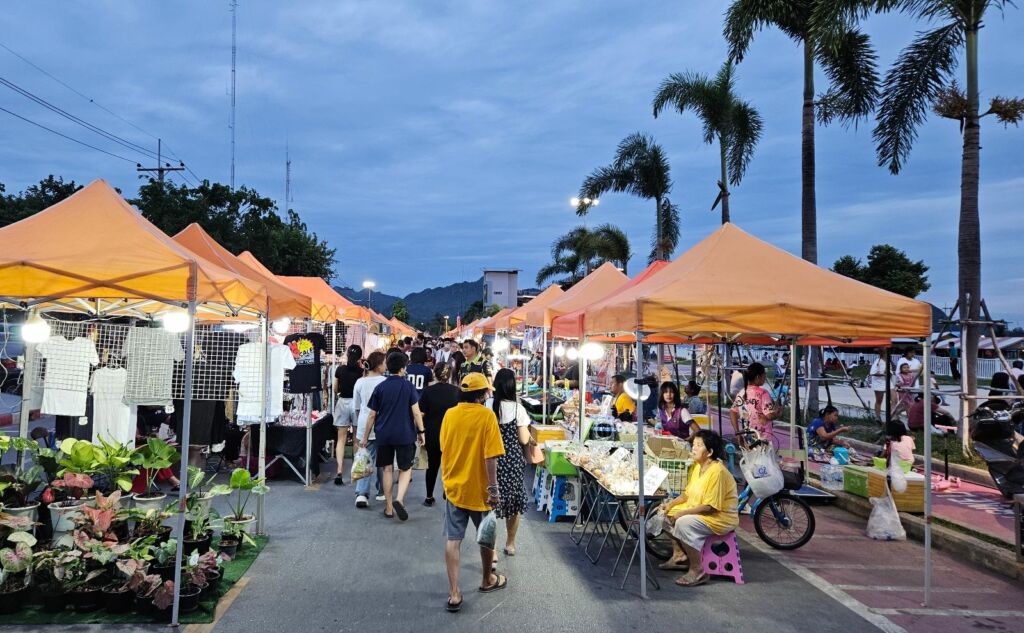
The ultimate favourite among tourists is the River Kwai Bridge Market. Not only does it offer a great mix of Western and local street food, it also provides a river’s edge location for a picnic.
We visited all three and enjoyed them all for different reasons. The JJ Night Market had a really good range of products for sale and the Kanchanaburi Night Market in the centre of town near the shops had some really good local food, but the River Kwai market was the one we had the most fun at.
There was live music and local families and teens hanging out enjoying it all. If you only have time for one then it should be this one.
Expect a range of Thai street food, traditional handicrafts and an authentic atmosphere.
Down a few beers in Bar Street
If you’re looking for a spot for a few drinks, then perhaps make your way to Bar Street. This street is packed with a mix of laid-back bars and energetic pubs perfect for a fun night out.
The atmosphere is casual and friendly, ideal for meeting fellow travellers and locals. Expect a mix of backpackers, expats and the occasional local, all enjoying the relaxed vibe. You can sip your drink while soaking in the warm evening air at outdoor seating. Some bars even have pool tables and games to keep you entertained.
However, be prepared for a hit-or-miss experience with service and crowd quality. It’s not the most polished part of Kanchanaburi, but it’s genuine and gives you a real taste of the local nightlife. If you’re up for mingling and casual fun, Bar Street is worth a visit.
Frequently Asked Questions About Kanchanaburi
Still have questions about planning your Kanchanaburi trip? Here are answers to the most common questions I get asked.
.
When One Day in Kanchanaburi is not enough
Most people don’t realise just how much there is to do in Kanchanaburi. However, I hope this guide has shown you why you should consider staying longer. The area offers plenty of relaxing riverside accommodation and even the chance to stay in a floating cabin, no matter your budget.
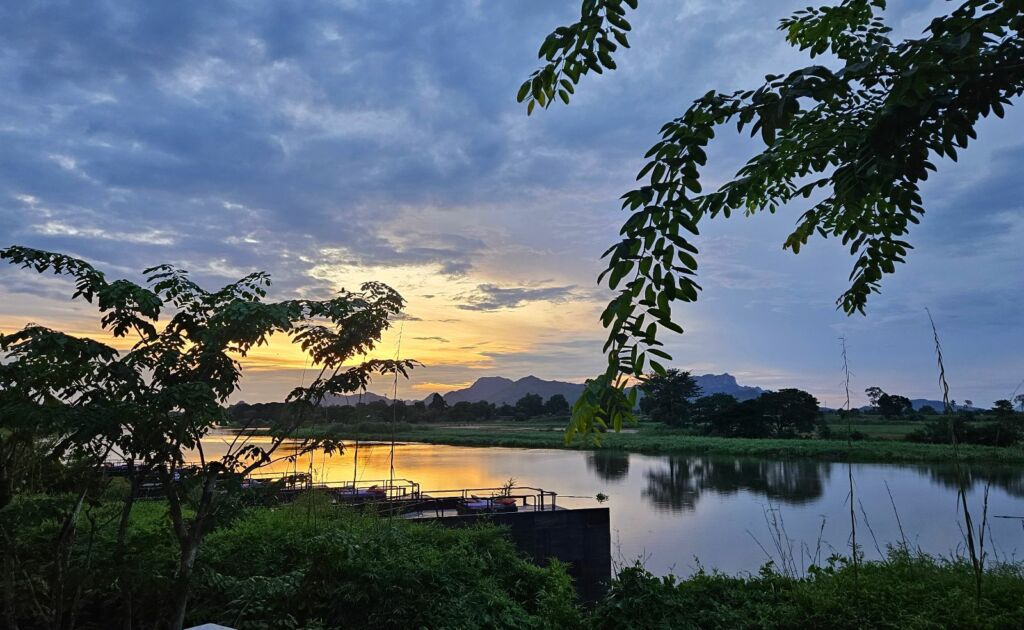
Kanchanaburi is ideal for a long weekend getaway with its mix of rich history, stunning natural beauty, and lively culture. If you are a nature lover you will find plenty to explore in the national parks, and if history is more you thing you can dive deeper into the WWII sites.
Most people don’t realise just how much there is to do in Kanchanaburi. However, I hope this guide has shown you why you should consider staying longer. The area offers plenty of relaxing riverside accommodation and even the chance to stay in a floating cabin, no matter your budget.
Planning a Thai adventure? Join our friendly Facebook community Thailand Awaits: Trip Planning for Beginners. Get expert advice from locals and experienced travellers, ask your questions, and discover how to make the most of your journey through Thailand.